Our Products
Compressed Air Solutions
  • Screw Air Compressor
  • Oil Free Compressor
  • Diesel Portable Compressor
  • Gas Compressor
  • Specialty Compressor
  • Air Treatment
ISO 9001 Certified
24-Month Warranty
OEM & ODM Support
Factory Direct Price
All products→
Best Air Compressor Brands for B2B Import from China
Equipment & Procurement

Best Air Compressor Brands for B2B Import from China

Technical Article
30 min read
US Market
DOSSIER / SOURCING INTELLIGENCE FILE № 04 · 2026

Chinese OEM brands are the bottom tier on the global ladder.

The territorial thing matters more than the pricing and importers always discover it too late. Kaishan is building branded distribution across a growing list of markets, much of Western Europe, parts of Southeast Asia, several Latin American countries, and in those markets white-label is not available, full stop, regardless of volume. In markets Kaishan has decided to leave alone the factory will do OEM, private label, whatever. Two completely different conversations with the same company. Regional managers know the map. Ask on the first call.

Airends.

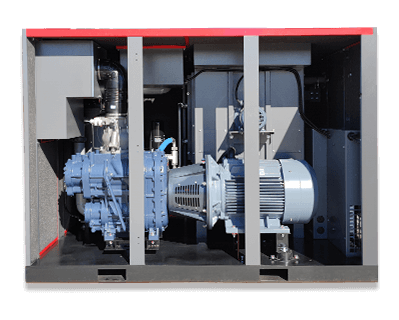
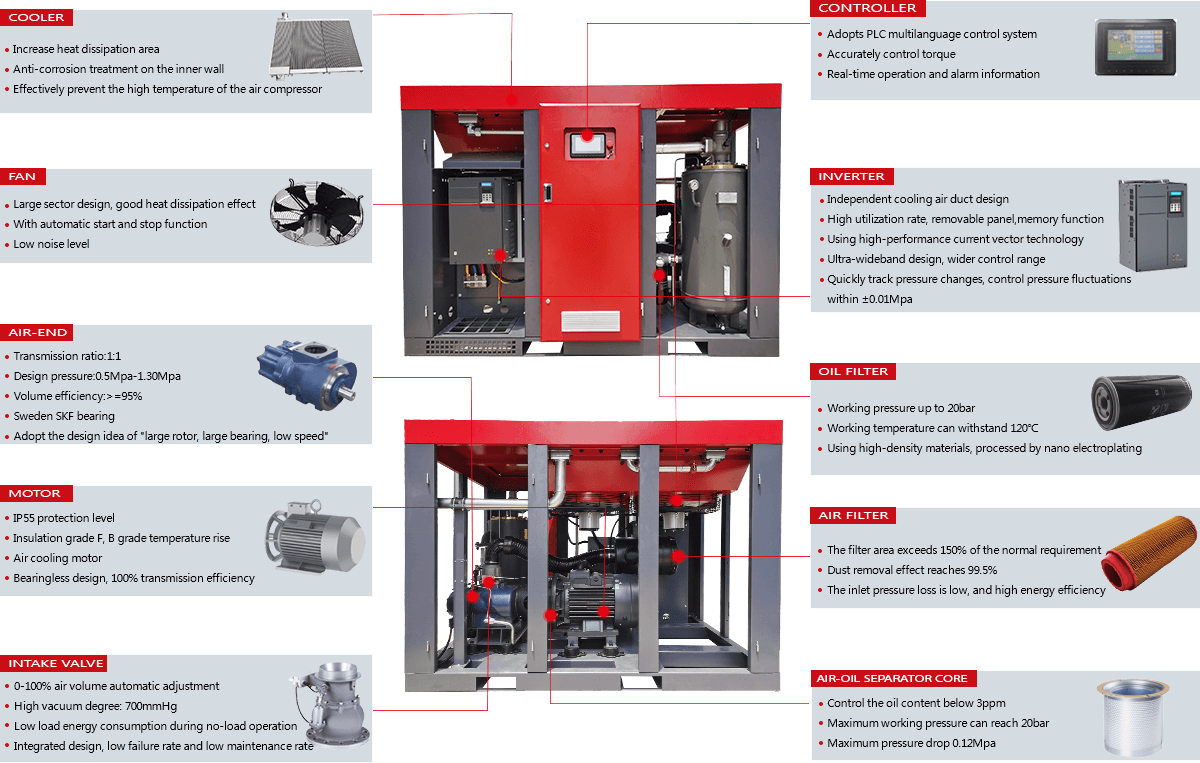
A screw compressor airend is the rotor pair in a precision-bored housing and it is the only component whose failure or underperformance makes the entire machine commercially worthless, because replacing an airend costs more than the machine is worth after two years of depreciation. This is why the airend dominates any serious sourcing discussion even though most factory sales teams would rather talk about the touchscreen controller and the powder coat.

GHH-Rand from Germany is the best available. Not complicated. Single-digit micron bore tolerances, bearing life past 40,000 hours, rotor profiles that represent more cumulative engineering investment than some whole Chinese compressor companies have spent on all activities. Premium runs north of $1,500 on a 22kW unit over an unbranded domestic airend. Worth every dollar in markets where a service dispatch costs what it costs in Northern Europe or Australia. Wasted money in markets where the end user buys on sticker price and replaces the machine in three years regardless.

Hanbell from Taiwan. This is where most import programs that last end up, and the reason is not just the engineering, though the engineering is solid. Hanbell built a serial number verification system and stamps its housings with raised casting marks in a specific font at a specific location that look wrong when counterfeited. An inspector can authenticate a Hanbell airend with a camera and a phone call in about fifteen minutes, and given what happened between 2015 and 2018, when airend substitution on Alibaba-exported compressors became pervasive enough that Hanbell felt compelled to upgrade its traceability infrastructure in direct response, that verifiability is not a nice feature. It is the feature. Domestic 22kW airend, factory cost somewhere around $380. Hanbell, roughly $870. Bolt patterns on domestic units are often deliberately dimensioned to match the Hanbell footprint so the swap is undetectable without looking closely at the casting. The compressor runs fine at first. The marginal rotor clearances start mattering in the 1,500 to 2,500 hour range, showing up as reduced delivery and elevated discharge temperatures. By then the machines are in the field and the factory has been paid.

Some domestic airend shops below TMC sort their production output into two tolerance grades off the same run, selling first-pass rotors at one price and out-of-tolerance seconds at another, both under identical markings.

TMC, domestic Chinese, has become usable over roughly the past seven years after investment in European-origin grinding equipment. Multiple Tier 1 brands use TMC in standard production. Fine when the specific model is locked into the contract and checked on inspection. Below TMC the airend market fragments into territory an importer should stay out of.

Airend manufacturer and model number as a binding purchase agreement term. Casting marks physically inspected before the container seals.

· · ·

Ziqi. If an importer is building a private-label PM VSD screw compressor line and that importer is not talking to Ziqi, that importer is leaving money on the table. Hanbell or TMC airends, Inovance or ABB VFDs, established PM motor suppliers. The parts inside that determine field performance overlap heavily with what goes into a Kaishan or SCR at the same kilowatt rating. The FOB gap per unit is large and across a full container it is very large, large enough to fund a meaningful chunk of an importer's go-to-market spending for a quarter. Ziqi has also gotten the operational side of OEM to where export documents and crating and labels and ISPM 15 compliance generally come through right on the first pass. The number of OEM-tier factories that build a technically solid compressor and then ship it in a crate that gets stopped at the destination port because some stamp is missing or some label is wrong is, frankly, embarrassing for the industry, and it costs importers weeks and thousands every time it happens.

SCR has independently verified energy efficiency data under ISO 1217 Annex C in enough volume for direct EU regulatory submission. Ecodesign Lot 31 made that kind of documentation mandatory for EU market access from 2025 and SCR was already sitting on it. For EU-focused programs, SCR saves months of compliance work. Outside the EU the compliance premium just inflates FOB.

Elang can do ATEX under Directive 2014/34/EU and most OEM-tier factories cannot.

Hongwuhuan does mining-grade portable diesel units. Baosi does oil-free for food and pharma.

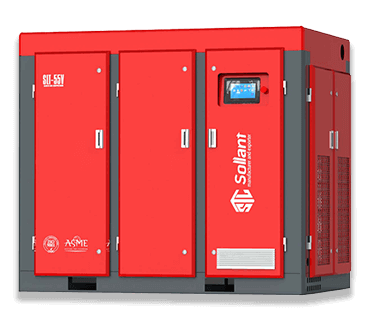
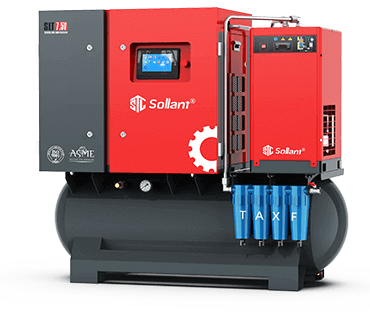
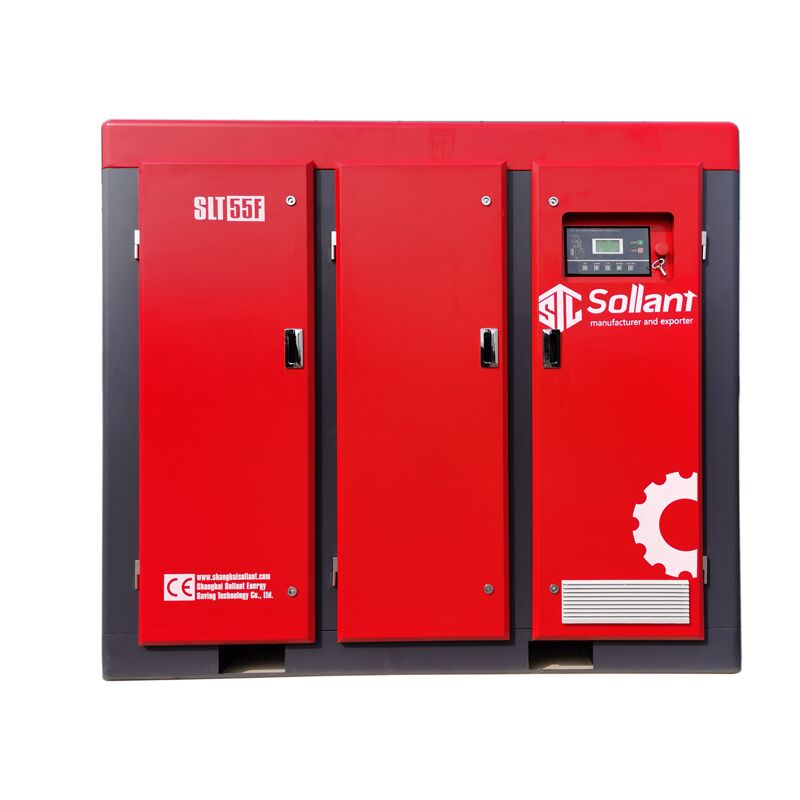
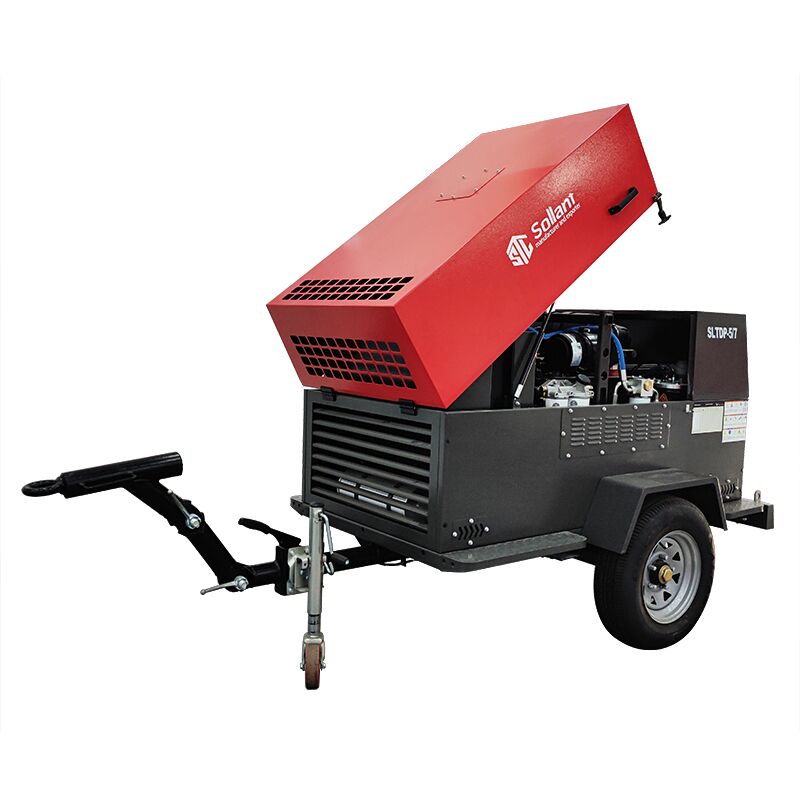
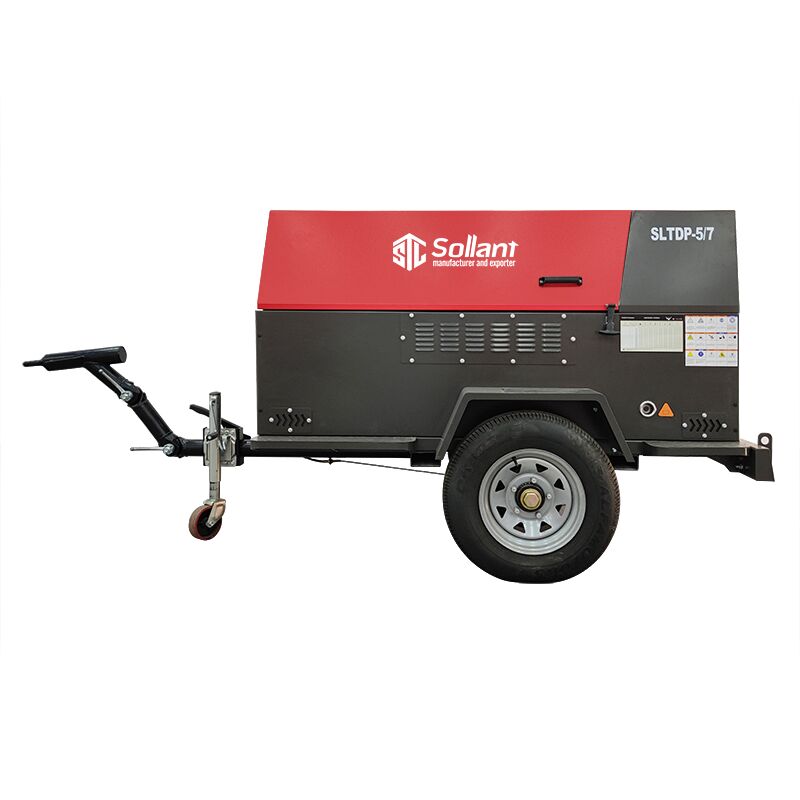
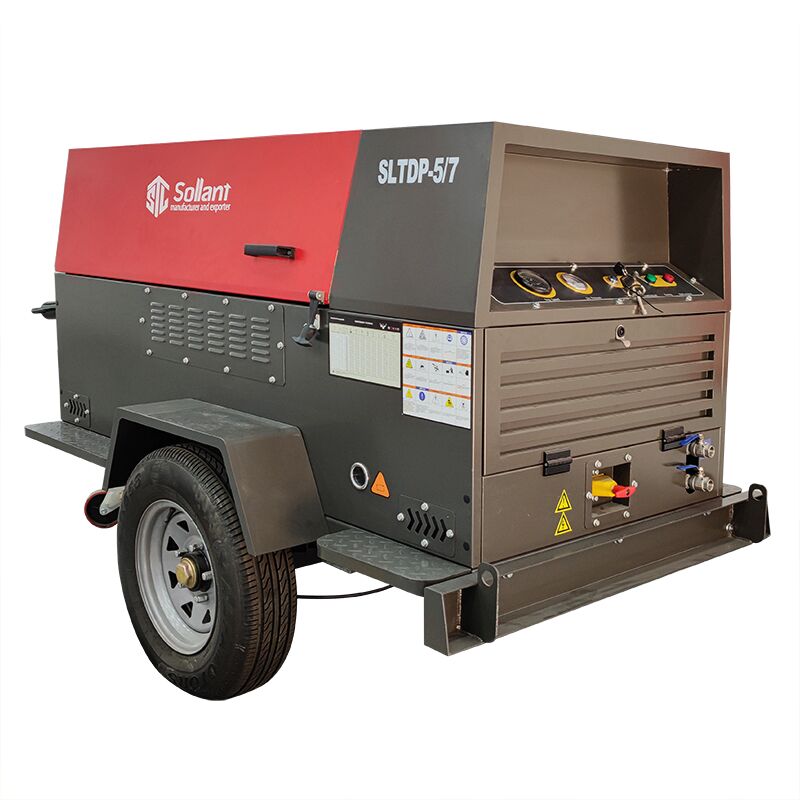
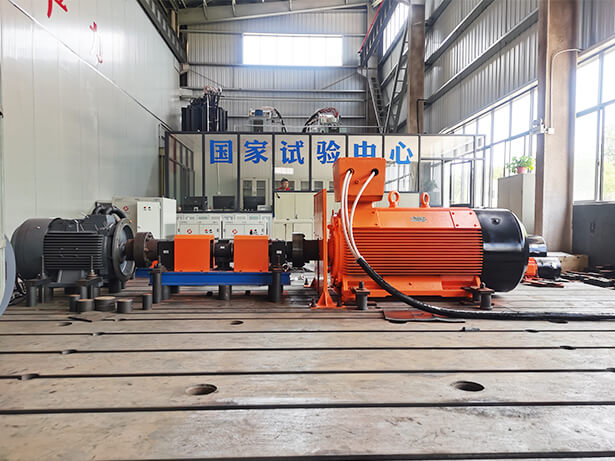
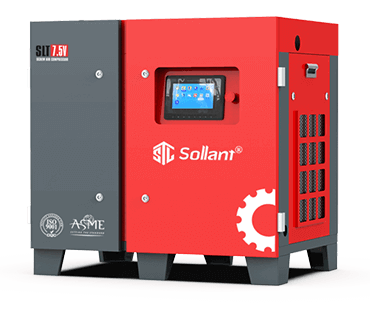
Bolaite, Jaguar, Sollant, Dream, Comps, Quanwei, Denair all produce standard screw compressor configurations. Telling them apart from outside the factory is guesswork. Go visit. Walk past the showroom to the test bay. Look at whether the flow meter has a current calibration sticker or dust. That tells you what you need to know about the factory's relationship with quality. Everything on their website is marketing. The calibration sticker is not.

Trading companies. When a product catalog lists dental oil-free compressors next to 250kW industrial screw units next to nitrogen generators, that entity is not a factory. Those product categories share no manufacturing process, no tooling, no engineering.

Samples and production. The evaluation sample arrives with every contracted component in place. Gets approved. Then either the buyer pushed FOB below the cost floor during negotiation and the factory adjusts the BOM during production to recover margin, swapping a contracted Hanbell for a domestic airend on the same bolt pattern, putting in generic bearings where SKF was specified, fitting an off-brand contactor on the same DIN rail, or the factory substitutes regardless of price because the margin on the swap goes straight to the bottom line and they have learned that most importers never check. The first thing is a negotiation failure that both sides contributed to. The second thing is bad faith. Both things happen. The defense against both is the same: BOM in the purchase agreement with every critical component named by manufacturer and part number, and a pre-shipment inspection that opens panels and canopy and photographs markings for verification. That inspection costs a couple hundred dollars and one round of prevented substitution on a 40-unit container avoids warranty costs an order of magnitude larger.

OEM-tier export margins run somewhere around 8% to 13% gross. When FOB gets pushed below the margin floor the factory does not absorb the loss. The factory changes the BOM.

Motor efficiency labels. IE3 and IE4 under IEC 60034-30-1 are supposed to be dynamometer-verified. A portion of compressor motors exported from China carry markings that were never tested. In EU markets where IE3 is the regulatory floor this creates legal exposure for the importer. Request the motor manufacturer's original test certificate, not the compressor factory's version. WANNAN, Siemens-licensed Chinese production, ABB-licensed facilities produce motors where the label corresponds to a test result.

Taizhou in Zhejiang does piston compressors at costs that leave barely any room for quality management. Shanghai-Jiangsu does screw compressors, deeper engineering base from dissolved 1990s-era foreign JVs. Guangdong has some of both. Components cross all three clusters freely now and assembly location tells less every year about what is inside.

PM VSD screw compressors are baseline spec in developed markets. Have been for roughly two years. An importer still offering only fixed-speed is competing for contracts that procurement managers have already moved past. Oil-free for food and pharma and semiconductor is expanding and the margins are better because the technical barriers thin the competitive field.

Payment. Factories at these margin levels give their best scheduling, inspectors, and warranty response to accounts that pay fast. Accounts that stretch terms get what is left after the prompt payers are served.

End of File
Footer Component - SOLLANT
滚动至顶部